Terracotta breeze blocks can be installed using standard cement-sand mortar or a high-bond tile adhesive. Apply a level bed of mortar for the base layer, position each block with uniform spacers, and wipe off any excess adhesive before it sets to keep the joints clean.

0%
Collection
From signature breeze blocks and roof tiles to floor tiles and bricks, every Shivay product is crafted from premium natural clay with precision, durability, and timeless character. Designed for residential, commercial, and architectural applications, our collections bring lasting performance to every project.
Happy To Help
Access product brochures, technical specifications, FAQs, and expert insights designed to simplify planning and decision-making. Whether you're an architect, builder, or homeowner, our resources provide the information and guidance needed to choose the right terracotta solution with confidence.
About
For over five decades, Shivay has crafted premium terracotta solutions that combine authentic materials, proven manufacturing, and architectural excellence. Every product reflects our commitment to quality, durability, and timeless design for projects that stand strong for generations.
Reach Us
Whether you're planning a residential home, commercial development, or architectural project, our team is ready to help. Get in touch for product recommendations, technical guidance, quotations, or any information you need to move your project forward with confidence.
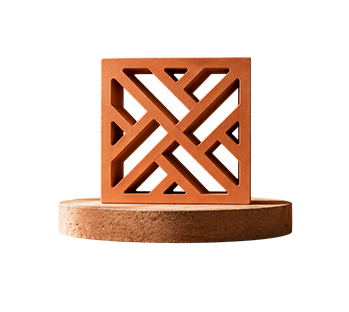

/ Breeze Block FAQs
Find Clear Answers Before Starting Your Next Architectural Project
(01)
How are breeze blocks installed, and which material is used for them?
(02)
What is the difference between ceramic and terracotta?
Ceramic is a broad category that covers multiple clay-based materials, including glazed tiles, stoneware, and porcelain. Terracotta is a specific subcategory of ceramic, made from natural clay fired at moderate temperatures, which gives it a porous texture, classic earthy tones, and a naturally warm aesthetic.
(03)
What are the structural requirements for building walls with breeze blocks?
A freestanding breeze block partition can be built up to 7 feet wide and 7 feet high without additional bracing. If the wall exceeds 7 feet in either height or width, it must be anchored using vertical steel columns, boundary framing, or horizontal tie beams.
(04)
What is the strength (breaking load point) of breeze blocks?
Shivay terracotta breeze blocks offer an average compressive breaking strength of approximately 26.13 N/mm². This capacity provides reliable structural durability for exterior screens, boundary features, and non-load-bearing internal partitions.
(05)
Do terracotta breeze blocks absorb water, and will moisture alter their color?
Yes. Terracotta breeze blocks absorb roughly 12% water by mass due to the natural porosity of the clay. This absorption does not compromise their appearance or alter their natural color. The characteristic earthy tones remain consistent, making the blocks reliable for both interior and exterior applications.
/ Roof Tile FAQs
Understand How Ceramic Roof Tiles Perform Before You Specify
(01)
Which material is used to manufacture Shivay roof tiles?
Shivay Roof Tiles are manufactured from premium ceramic clay with a specialized glazed surface finish, similar in composition to vitrified ceramic tiles. This glazing process creates a protective, non-porous layer that enhances durability, weather resistance, and aesthetic appeal.
(02)
What is the strength of ceramic roof tiles?
Shivay Ceramic Roof Tiles have an average breaking load capacity of 300 kilograms. This substantial load-bearing strength ensures they can withstand environmental stresses, foot traffic during maintenance, and the weight of accumulated debris.
(03)
What is the water absorption of ceramic roof tiles?
The vitrified glazed top surface has a 0% water absorption rate, blocking rain entirely. The unglazed bottom surface maintains a low absorption rate of about 5% by mass, preventing structural moisture damage.
(04)
What are the architectural construction requirements for installing roof tiles?
To prevent water infiltration and ensure optimal performance, a minimum roof slope of 30 degrees is recommended. To maintain this slope, the standard proportion is a vertical rise of 7 inches for every 1 foot (12 inches) of horizontal width.
(05)
What benefits do ceramic-glazed roof tiles have over traditional terracotta roof tiles?
Glazed ceramic roof tiles offer clear performance upgrades over unglazed terracotta. Zero surface absorption: the top glaze prevents water penetration, stopping moss and dark stains from forming. Higher strength: a 300 kg breaking load minimizes handling breakage and withstands heavy weather better than brittle raw terracotta. Color permanence: UV rays will not fade or alter the factory glaze, eliminating the need for periodic re-sealing or painting. Low maintenance: dirt washes away naturally with rain, keeping the roof clean with minimal effort. Modern aesthetics: glazed ceramic tiles are available in a wider range of contemporary colors and finishes while retaining a timeless appearance.